Long reads from the market floor
Long reads from the market floor: the people behind the stalls, the rhythm of the trading year, and the practical knowledge that makes buying food and craft online work the way it should.
The Journal is the market’s memory and its noticeboard. The long reads — the makers themselves, the seasonal calendar, and the allergen guidance every food buyer should read once — explain how the market works and why it works that way. The seasonal announcements travel here first: market-weekend dates, kiln openings, bake-day windows, and the made-to-order deadlines that matter most around Christmas. Subscribing to the seasonal letter is the one reliable way to see all of it before it sells through.
Pieces are published when there is something to say rather than to a content schedule — a handful of long reads a year, each written with the sellers it names. Corrections and changes get edited into the piece with a note rather than quietly patched, and if a listing ever contradicts something the Journal says, the contact page treats that as a defect report, because it is one.
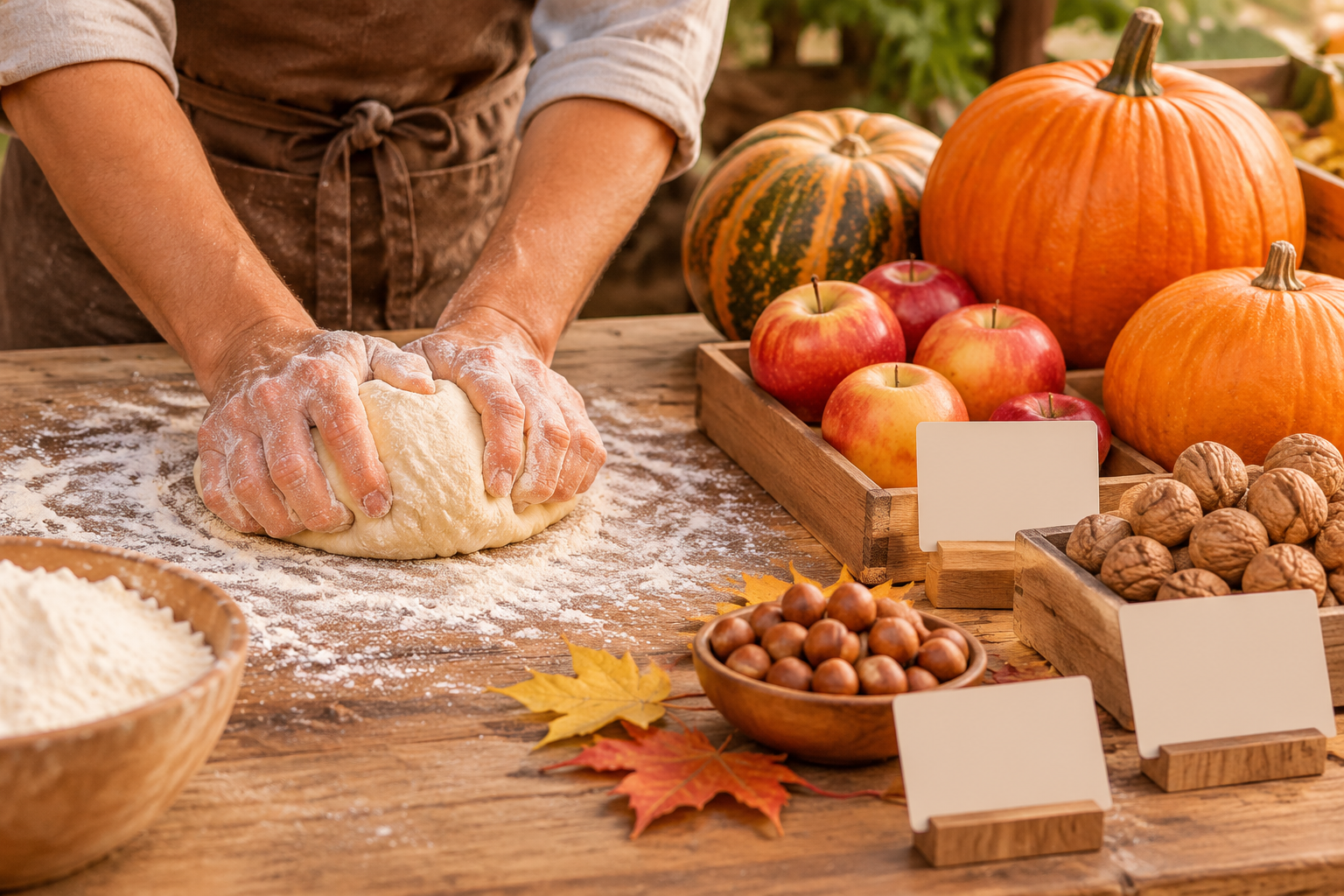 People
Meet the Makers
Eight stalls, four counties, one rule: the person who makes it is the person who sells it. We spent a season visiting every seller on Famica Market to understand what the maker-first rule actually does to the food, the craft and the prices.
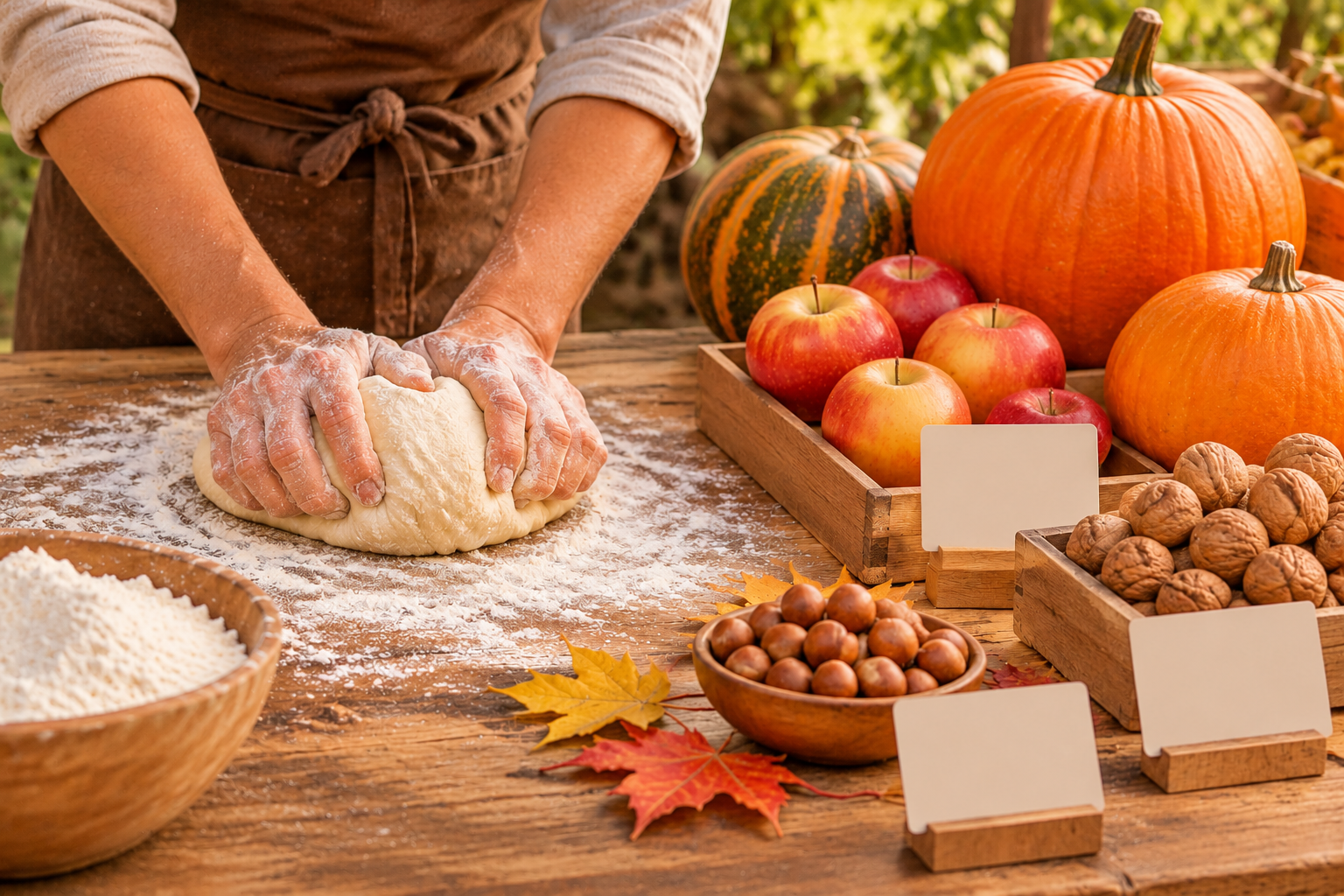 How it works
The Seasonal Market Calendar
A family market runs on the year’s own clock. Here is the season-by-season structure behind Famica Market’s listings and events — what appears when, why it disappears, and how to plan a year of buying around it.
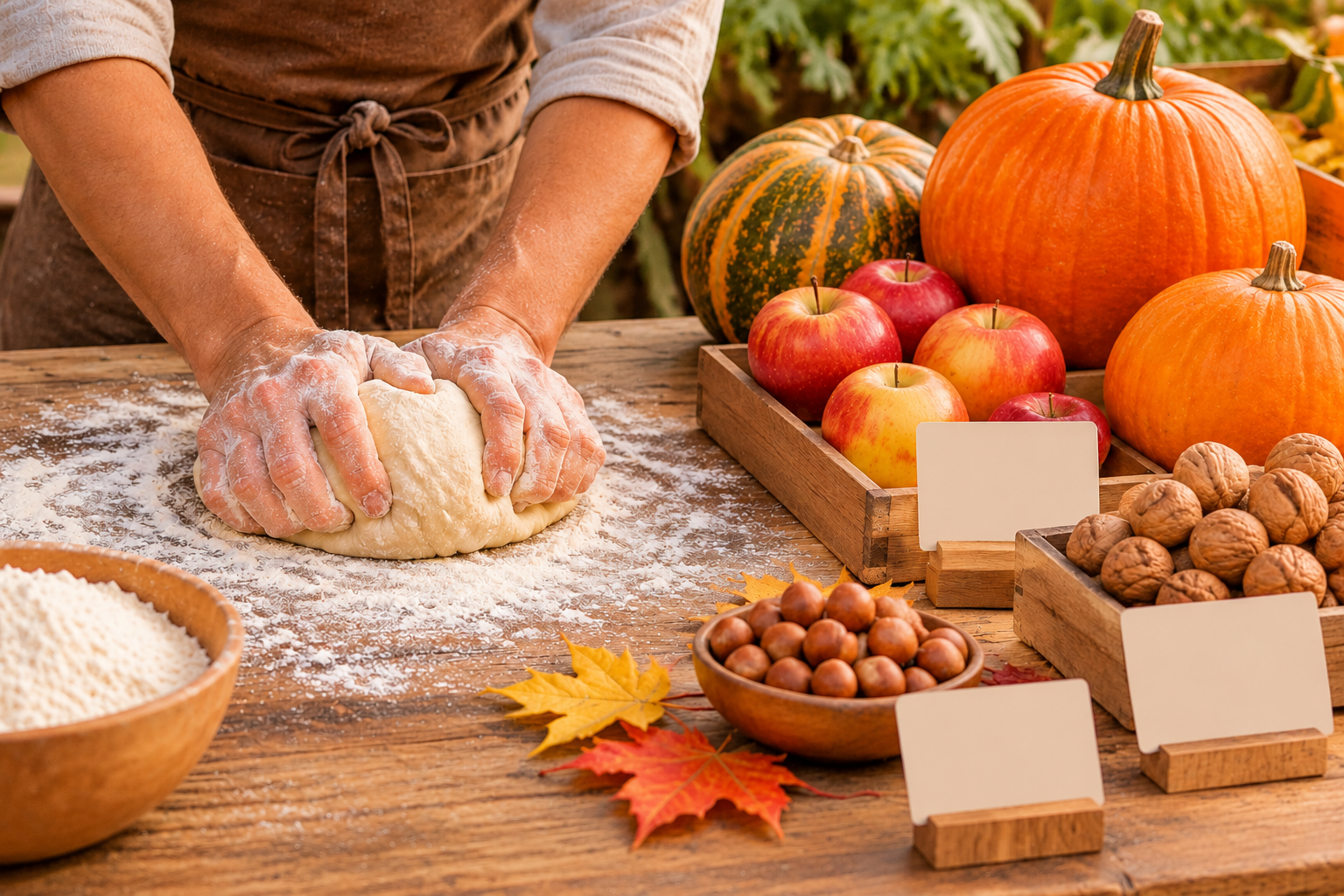 Food safety
Allergen Guidance for Market Buyers
How allergen information works on Famica Market: what the law requires, what our sellers must state on every listing, how to read it, and what to do when you need to ask a maker a direct question before you buy.